A second life for
vintage glass
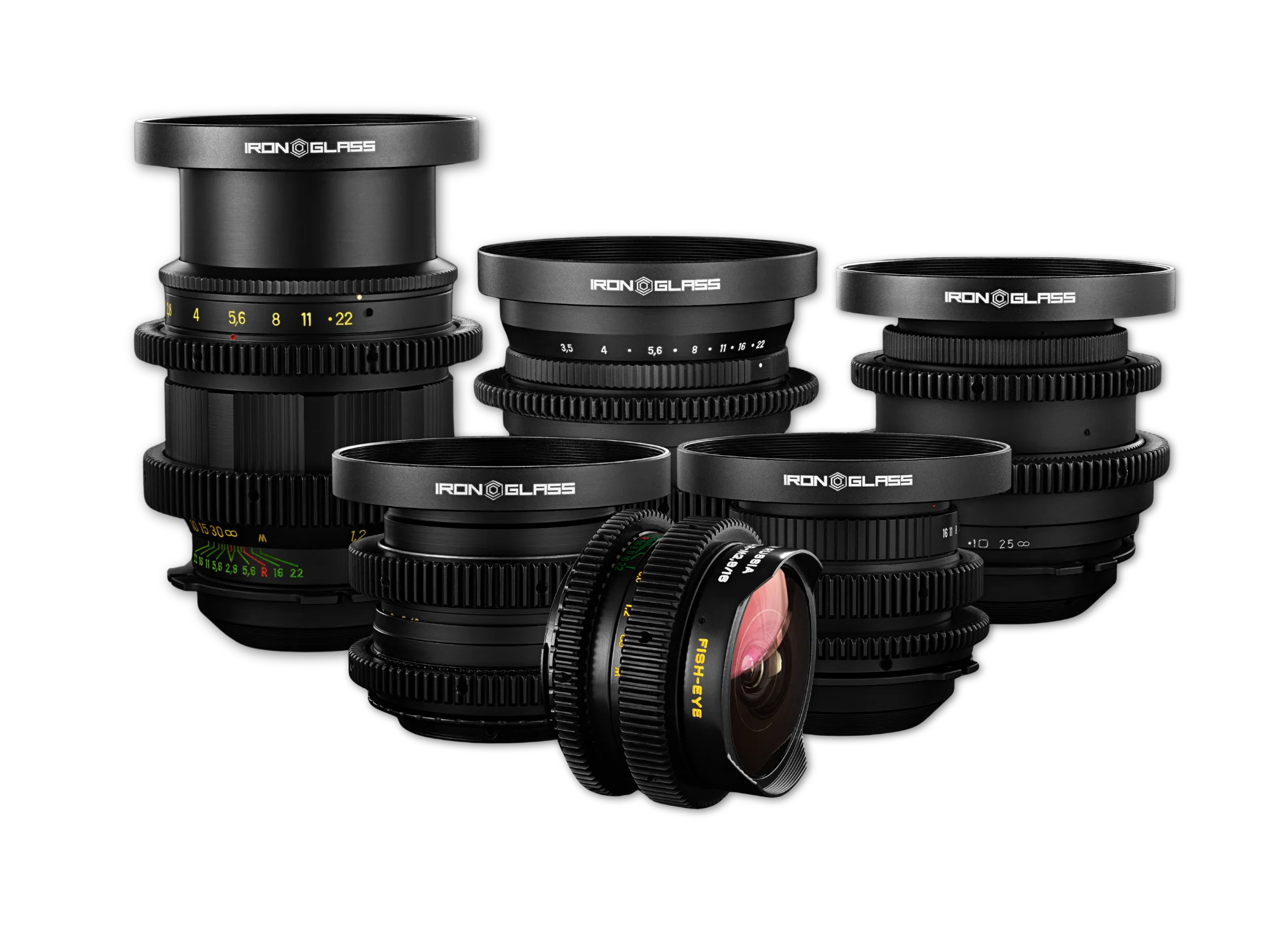
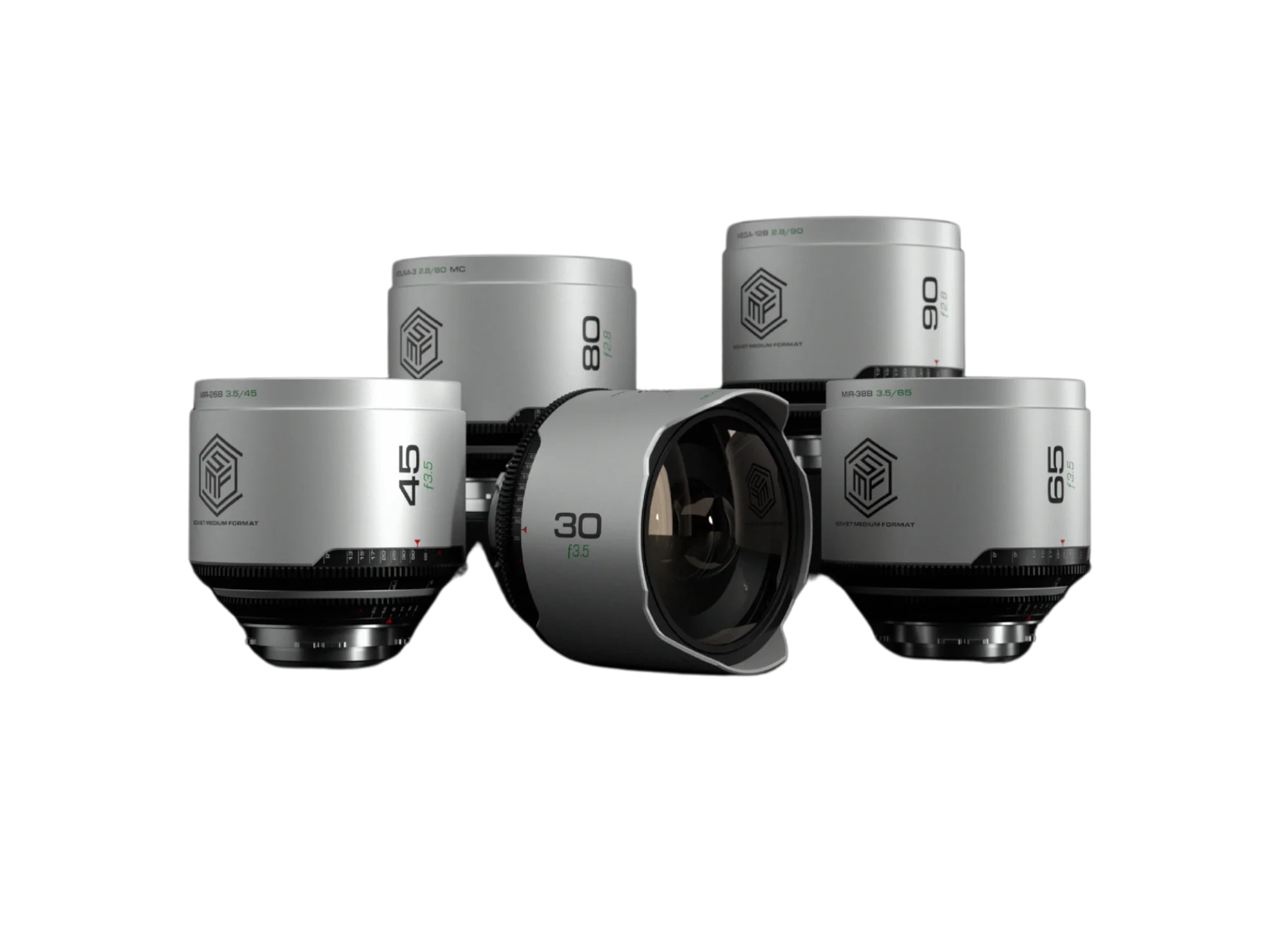
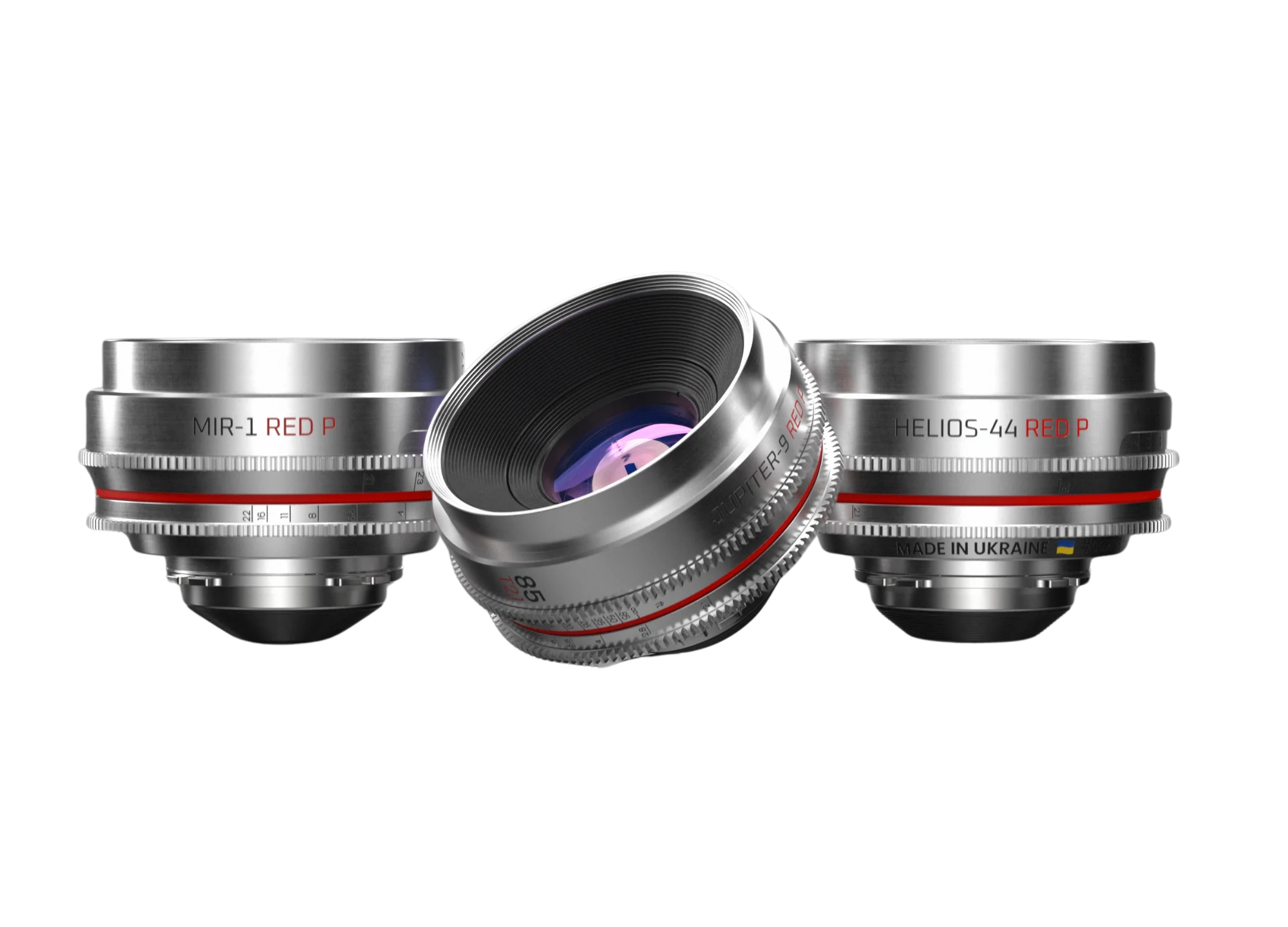
IronGlass started with a simple idea: to give beautifully expressive vintage lenses a second life.
There was so much incredible glass out there — full of character, history, and imperfections that made images feel alive, yet most of it was sitting unused on shelves, slowly becoming collector's pieces instead of working tools.
We saw something else.
These lenses still had real value to filmmakers, as creative tools with a visual language that modern optics often struggle to replicate. So we started bringing them back into production.
IronGlass began in 2015 with cine-modded Soviet vintage lenses. But the deeper we went, the clearer it became that small modifications were only part of the answer.
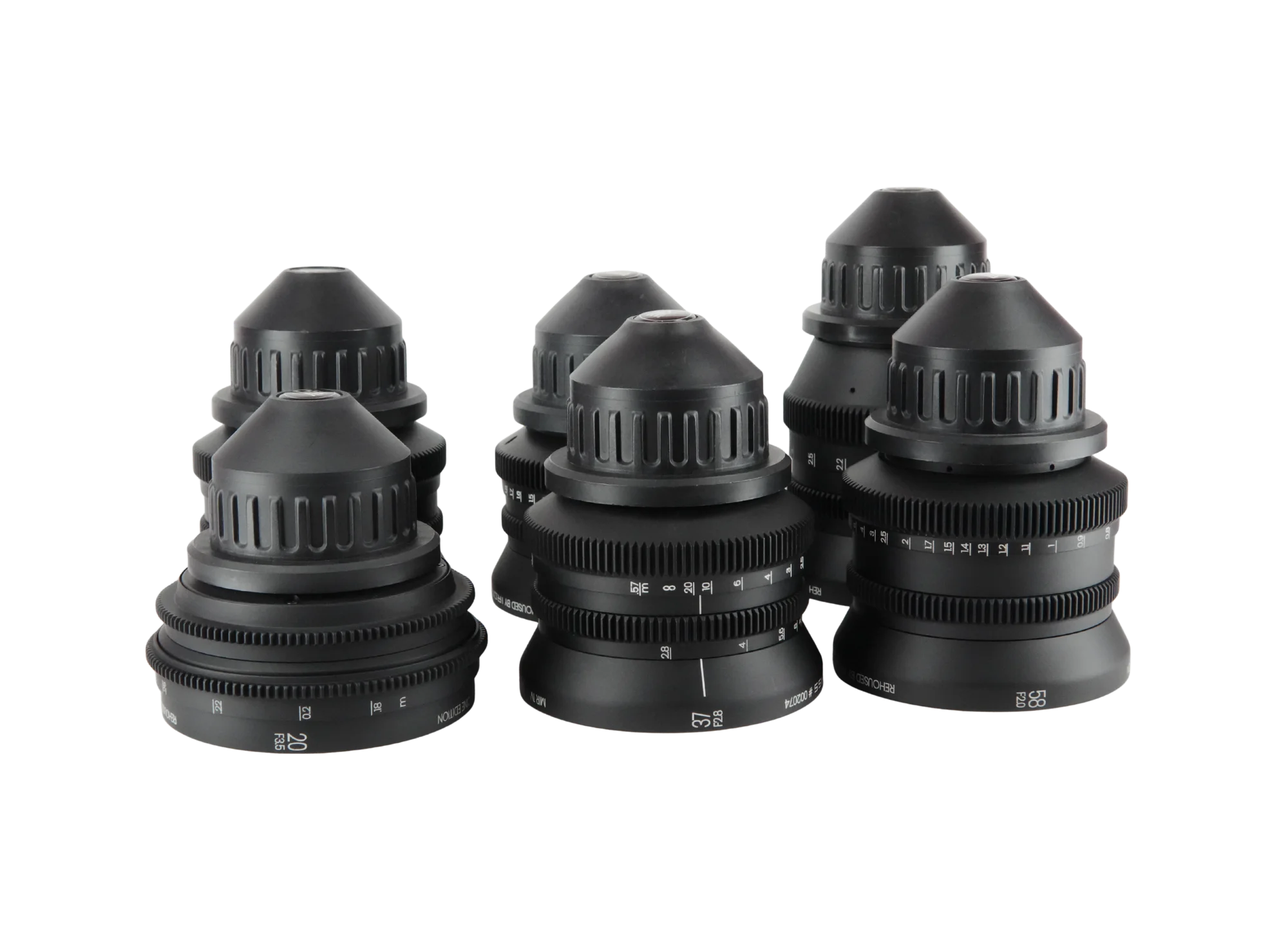
If vintage optics were going to work properly on professional sets, they needed proper mechanics. That led to our first rehousing systems, and over time, to fully engineered cinema platforms built for demanding productions.
At the same time, filmmaking itself changed. Traditional cinema systems were designed for a different kind of workflow with PL cameras, larger rigs, slower setups, more conventional production environments.
Today, many cinematographers work very differently. The way films are made has changed thanks to mirrorless cinema cameras, stabilised systems like the Ronin 4D, compact handheld builds and smaller crews enabling faster-moving productions.
But the available lens options
still often force a compromise.
Although photo lenses are lightweight, they are rarely ideal mechanically for filmmaking.
While traditional cine rehousings solve this problem, they can feel oversized for the way many productions actually operate nowadays.
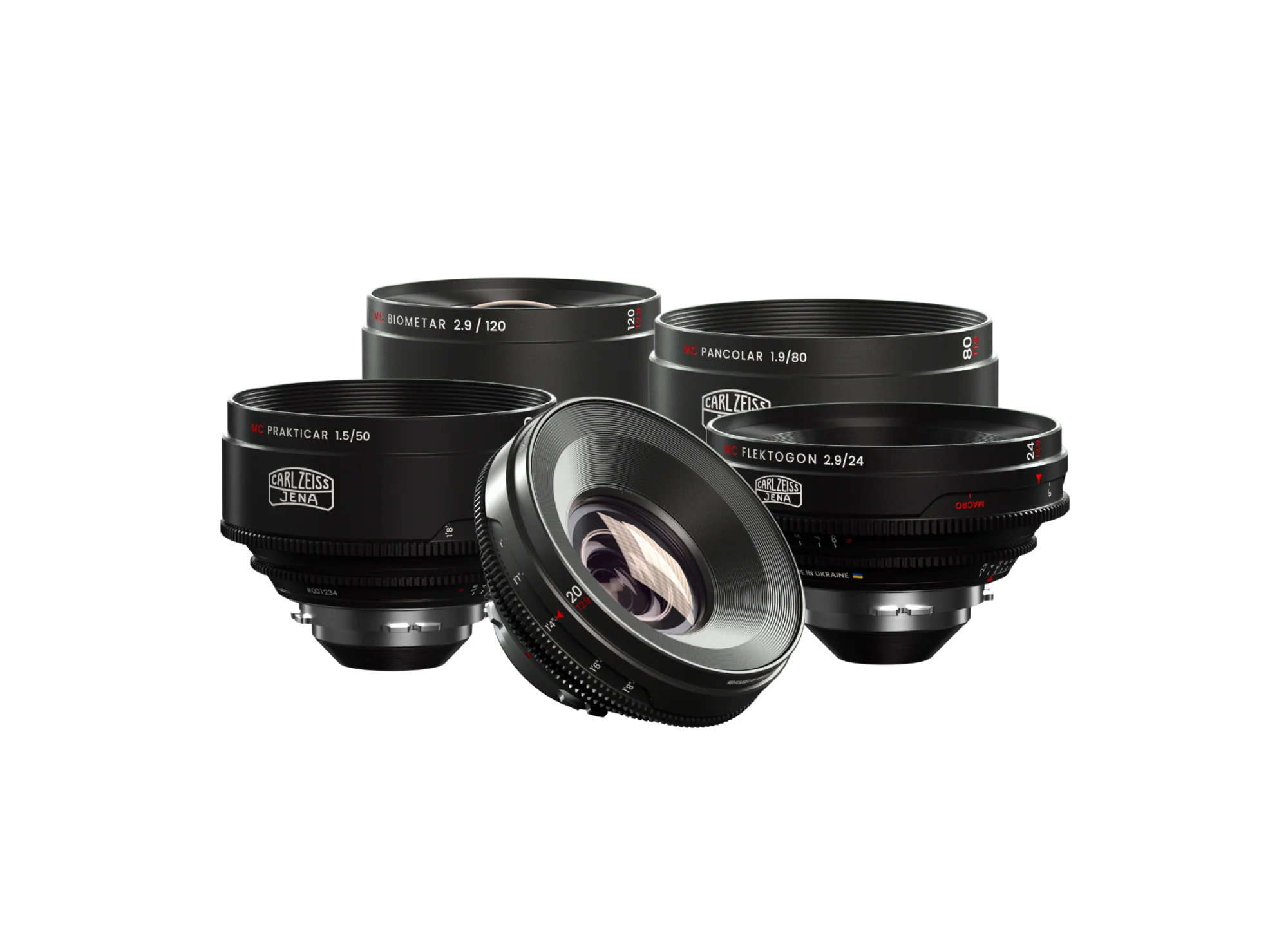
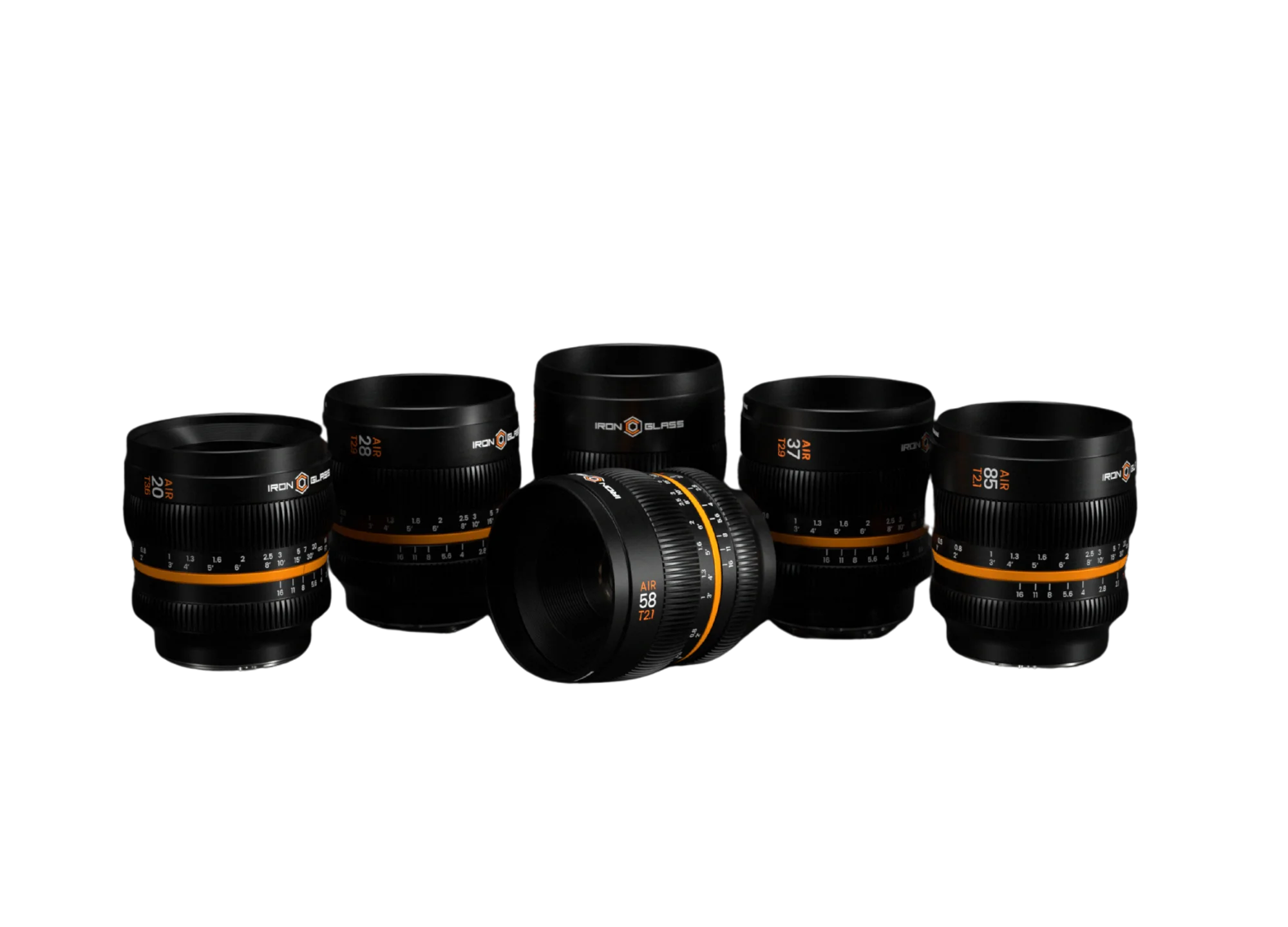
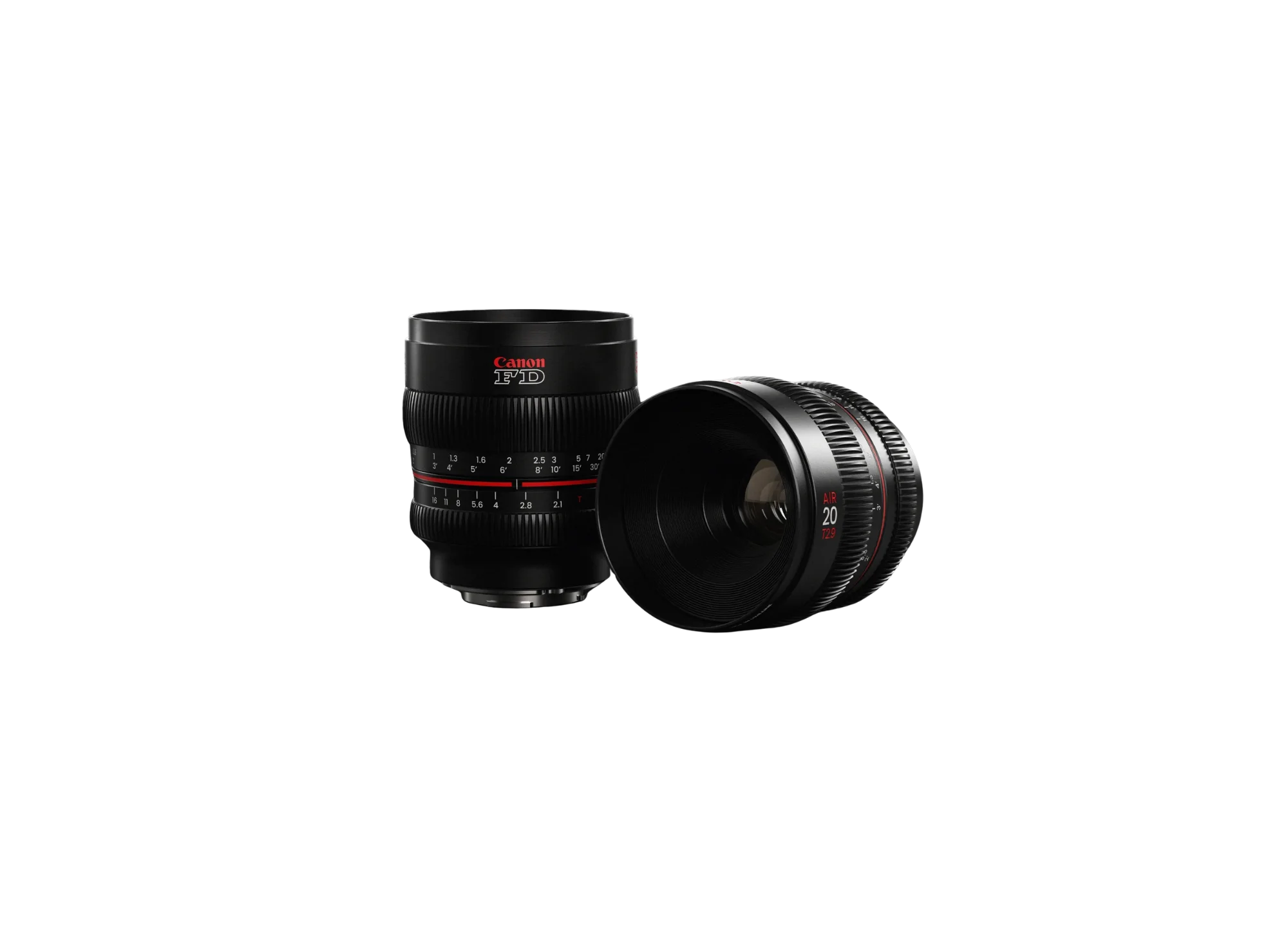
AIR was developed in response to this reality — not a smaller version of an older system, but a new rehousing format designed specifically around modern workflows.
.svg)
The road here